The following is related only to altitude acclimitization. When I was living in Lincoln, Nebraska (1175 ft elevation) and right at 39 years old, I was able to do the following 4 hikes in a row, starting on day 1 (after a late arrival and overnight stay in Colorado).
- Peak 1, Frisco (12800 elevation)
- Peak 1 + Peak 2 (tenmile), Frisco (12933 elevation)
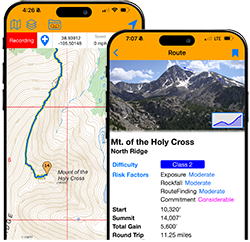
- Mt. of the Holy Cross, Std Route
While I was climbing a big 14er on day 3 with about 5500 feet of elevation gain, I managed to stay quite comfortable during the entire 4-day trip. It was exhausting, of course, but I didn't have any altitude sickness, and I think these tips helped me acclimate quickly:
I arrived in Colorado late the night prior to hiking and stayed in Frisco so I had a nights sleep at a more modest 9000 feet. This is a best practice in any case since you want to start EARLY both for lightning/thunderstorm safety and to hike in cooler conditions. The Dillon/Silverthorne/Frisco area is ideal in this way, allowing you to hike high during the day and sleep/rest (relatively) low in the evening. Most people can handle 8000 feet without issues.
I took a couple Advil each of the first couple days to help prevent any early symptoms of Acute mountain sickness
I was in very good shape, had been preparing with lots of cardio including some treadmill inclines with packs
I hydrated heavily both during the hikes and after, think 5-6 liters of water or diluted gatorade
during the hikes and more the rest of the day. Eat enough easily digestible foods to avoid becoming hypocaloric, but don't overdo it!
This gradual buildup of max altitude, going no higher than just under 13k on both day 1 and 2, may not be practical for your trip, but by day 3 I felt very strong. Day 1 & 2 for me was about 3700 and 4300 feet of elevation gain but you may have decent results climbing a 14er on day two that doesn't require quite as much elevation gain.
Of course, people react differently and while I felt good and things went predictably, I would have had to turn around if this hadn't been the case. Peaks and routes with relatively linear ascend/descend profiles- vs roller coaster ridges and deep climbouts- are easy to turn back on and start losing altitude quickly if needed. You do NOT want to have to reclimb 500-1000 feet to get back to the trailhead and lower altitudes if you're already experiencing symptoms of altitude sickness. I think these strategies will maximize your chances of success.